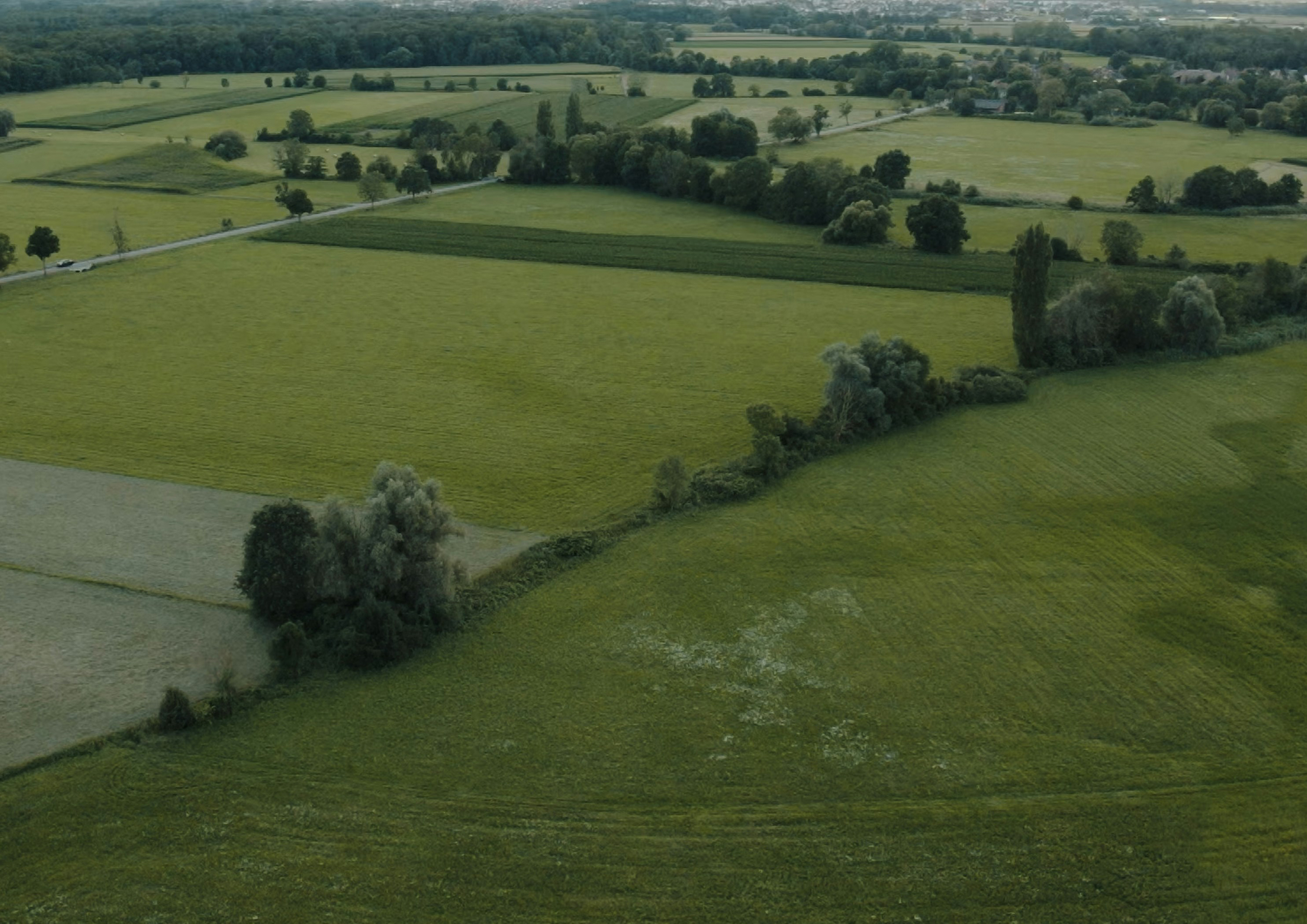

Every piece of land is unique, and identifying potential site constraints is an essential part of the land promotion process. While the presence of a constraint does not necessarily prevent development, understanding these factors at an early stage allows for a more informed planning strategy and can improve the likelihood of a successful outcome.
Flood Risk
Flood risk is one of the first considerations when assessing development potential. Sites located within areas at risk of flooding may require detailed flood risk assessments and drainage strategies. However, being within a flood zone does not automatically rule out development, and many sites can still be successfully promoted with the appropriate evidence.
Ecology
Protected species, habitats and biodiversity are all important planning considerations. Ecological surveys help identify any environmental constraints and determine what measures may be required to protect wildlife while allowing appropriate development to take place.
Heritage Assets
The presence of listed buildings, conservation areas or archaeological features can influence the design and layout of a development. Early assessments help ensure proposals respect the historic environment while making the best use of the site.
Access and Highways
Safe and suitable access is fundamental to most residential developments. Highway assessments consider how vehicles, pedestrians and cyclists can safely enter and leave the site, together with the impact on the surrounding road network.
Trees and Landscaping
Existing trees, hedgerows and landscape features can affect how a site is developed. Professional surveys identify protected trees and valuable landscape features, allowing development proposals to incorporate and enhance the existing environment wherever possible.
Utilities and Infrastructure
The availability of services such as electricity, water, drainage and broadband can influence the viability of a development. Understanding existing infrastructure requirements early helps avoid delays later in the planning process.
Ground Conditions
Previous land uses and ground conditions can affect how a site is developed. Where necessary, ground investigations may be undertaken to assess contamination, stability or other engineering considerations before progressing a planning application.
Looking Beyond the Constraints
While every site presents its own opportunities and challenges, constraints rarely tell the whole story. Through careful assessment, technical evidence and a well-planned strategy, many issues can be successfully addressed during the planning process.
At Lone Star Land, every site is evaluated on its own merits. By working alongside experienced planning consultants and technical specialists, the team develops bespoke land promotion strategies designed to maximise value while navigating the planning process with confidence.
If you are a landowner, or represent a landowner, and would like to understand the opportunities and constraints associated with your land, contact Lone Star Land to arrange an initial consultation.